Clinical development has historically been a laborious and expensive process that stretches across all therapeutic areas. It is driven by lengthy patient recruitment timelines, increasingly complex study designs, and high procedural costs. Depending on whose data you believe, getting a new drug to market can now cost upwards of $1 billion and take more than 10 years or research and development effort. Additionally, a complex and dynamic regulatory framework has made sponsors reluctant to introduce new technologies to facilitate the development process.
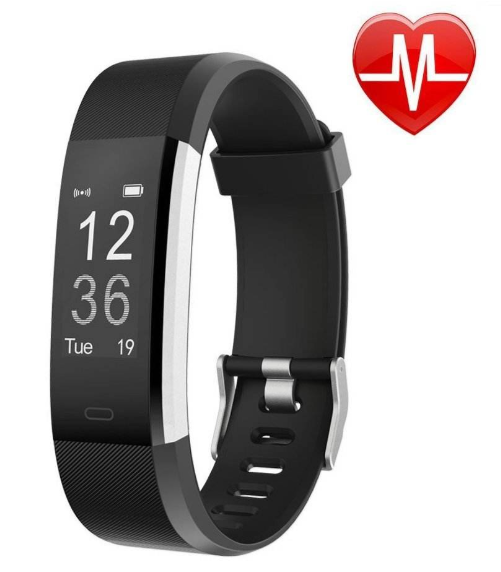
In the last few years there has been significant buzz in the life sciences industry surrounding the use of wearable devices that can be utilized for remote patient monitoring in clinical trials. Many believe wearables have the potential to significantly impact overall trial costs and efficiency. Most recently, wearables have returned to the spotlight due to fresh approaches that harness artificial intelligence/machine learning(AI/ML) to process and analyze larger data streams.
Although intriguing, several issues have hindered adoption of these new technologies, primarily involving patient compliance, cost, concerns around data quality and accuracy, and lack of awareness surrounding these technologies and their utility. Analysis performed by Fuld + Company, a consultancy in Boston, finds significant pros and cons that must be considered by companies opting to launch a wearable device initiative in trials.
Data Collection & Patient Monitoring
First, wearables provide a great opportunity for investigators to monitor their patients outside of the clinic, after an investigational drug has been administered or a new device is implanted. “Currently, patients can be equipped with trackers that will monitor heart rate, lung function, breathing patterns, blood pressure, and other basic measurements that may provide insights into how the patient is responding to the treatment,” says Premdharan Meyyan, a consultant with Fuld + Company. “Data from these trackers can be transmitted, in real-time, back to the physician for monitoring purposes. But we still have to ask ourselves, ‘How useful is this information?’ In other words, does this data provide any meaningful insight into the safety and efficacy of the treatment, or is it merely information that is nice to know?”
First, wearables provide a great opportunity for investigators to monitor their patients outside of the clinic, after an investigational drug has been administered or a new device is implanted. “Currently, patients can be equipped with trackers that will monitor heart rate, lung function, breathing patterns, blood pressure, and other basic measurements that may provide insights into how the patient is responding to the treatment,” says Premdharan Meyyan, a consultant with Fuld + Company. “Data from these trackers can be transmitted, in real-time, back to the physician for monitoring purposes. But we still have to ask ourselves, ‘How useful is this information?’ In other words, does this data provide any meaningful insight into the safety and efficacy of the treatment, or is it merely information that is nice to know?”
According to Meyyan, the short answer is: It depends. Passive continuous tracking of the heart rate of a patient undergoing drug treatment for a retinal disorder, for example, will most likely not provide any mission-critical data. However, it would be highly valuable data for a patient suffering from coronary artery disease who just underwent stent implantation or for classes of drugs, such as non-insulin antidiabetics, that potentially affect cardiovascular function. Therefore, Meyyan believes it will be important for the industry overall to not fall into the trap of collecting additional patient data simply because it can. It will be more important for companies to make a targeted effort to only collect data which ultimately gives a more vivid picture of clinical outcomes, support the end point being pursued, and support the safety and efficacy profile of investigational treatments.
“More intriguing than the currently popular fitness watches, at least in a medical context, will be wearables designed to collect very specific types of patient outcome data,” states Meyyan. “For example, in April 2017, the FDA approved the disposable Cardea Solo ECG monitoring system (Cardiac Insight Inc.) which can be used to diagnose atrial fibrillation (AF) after cardiac ablation. The device is intentionally designed not to interfere with daily activity. We believe this will help to improve patient compliance. Technologies such as Cardea Solo blur the line between traditional diagnostic tools, which are used exclusively by the physician, and wearable devices, which are used jointly by the physician and the patient. Monitoring systems such as Cardea Solo will also demonstrate that wearables have the potential to collect meaningful, actionable data that will ultimately help improve overall patient outcomes.”
More importantly, there remains an opportunity to develop and market these types of wearable technologies specifically for use in clinical trials to support the development of investigational treatments. In other words, they can be used as patient screening and monitoring tools, rather than simply diagnostic tools. For that to happen, Meyyan notes there is still a lot of work that needs to be done to solidify regulatory standards surrounding the use of wearables for clinical studies.
Where Do We Go From Here?
There is certainly a clear patient centricity angle present in the use of mobile and wearable devices in clinical trials. Most everyone today has a cell phone, if not a smart phone, that is carried with them at all times. Consumers are also increasingly relying on fitness tracking devices made by Apple, Fitbit, LINTELEK, and Garmin to monitor their vitals. Consumers will, at some point, demand that same flexibility when participating in clinical trials. After all, why go into a clinic to have a physician or nurse record data when a tracking device can do it for you?
As consumers demand more convenience in their lives, these devices can also make it easier for patients to participate in trials. By eliminating paper logs and trips to the clinic, wearables can help to eliminate two of the bigger challenges inherent in clinical trials, namely patient recruitment and retention.
Still, Meyyan cautions companies to avoid incorporating wearables into studies simply for the sake of using a novel new device. Doing so may make for advantageous public relations, but will not have a significant impact on the long-term success of development programs, regulatory approvals, and the subsequent return on investment. Instead, sponsors and other key stakeholders must be strategic in deciding which types of studies and treatments will most benefit from incorporating these technologies.
“As the technology around wearables continues to evolve, particularly in the development of non-invasive devices designed for specific diseases and study types, we will likely begin to see greater adoption in clinical trials,” adds Meyyan. “We expect to see a significant uptick in their use over the coming years. In order to derive the most meaningful benefits, companies must be deliberate in defining the most meaningful types of data that can be captured via wearables. The end goal of supporting trials, and being patient-centric, must be held at the forefront incorporating any new technologies.”
The post Wearable Devices–A New Look For The Modern Clinical Trial appeared first on Drugdu.com
from Drugdu https://goo.gl/QgQoHk